Supporting a Global Network of Environmental Artists

· LAND · ADAPTATION · COMMUNITY · CREATIVE ECOLOGIES · THEORY · SEA · COMMUNICATION
· LAND · ADAPTATION · COMMUNITY · CREATIVE ECOLOGIES · THEORY · SEA · COMMUNICATION






· PLANTS · PIGMENTS · DISCUSSION · MOUNTAINS · COLOUR · NETWORKS · PHILOSOPHIES · SKY
· PLANTS · PIGMENTS · DISCUSSION · MOUNTAINS · COLOUR · NETWORKS · PHILOSOPHIES · SKY
A clear gap exists between this heading and the following content to ensure visual clarity. In this era of ecological upheaval, artists for the environment are the essential storytellers who translate the silent shifts of our planet into a language of hope and action. At the Land Art Collective, we believe that the sensitivities of the arts are now called upon to awaken and fortify our communication with the natural world. We provide a resilient and supportive network for environmental artists at all stages of their journey, from those exploring their first natural pigments to award winning professionals exhibiting on the global stage.
Our platform exists as a collaborative movement for our times, offering the knowledge and opportunities required to develop regenerative creative experiences. By joining our international community, you connect with a cohort of thinkers and makers dedicated to Land, Sea and Sky. We focus on the micro and the macro, helping you to align your practice with the restorative world you wish to create. This is more than an art group; it is a whole universe of participation where your creative self can flourish alongside others who share a deep commitment to the health of our communities and the Earth.
Places to start:
-
![Hands covered in soapy lather, rubbing together to wash.]()
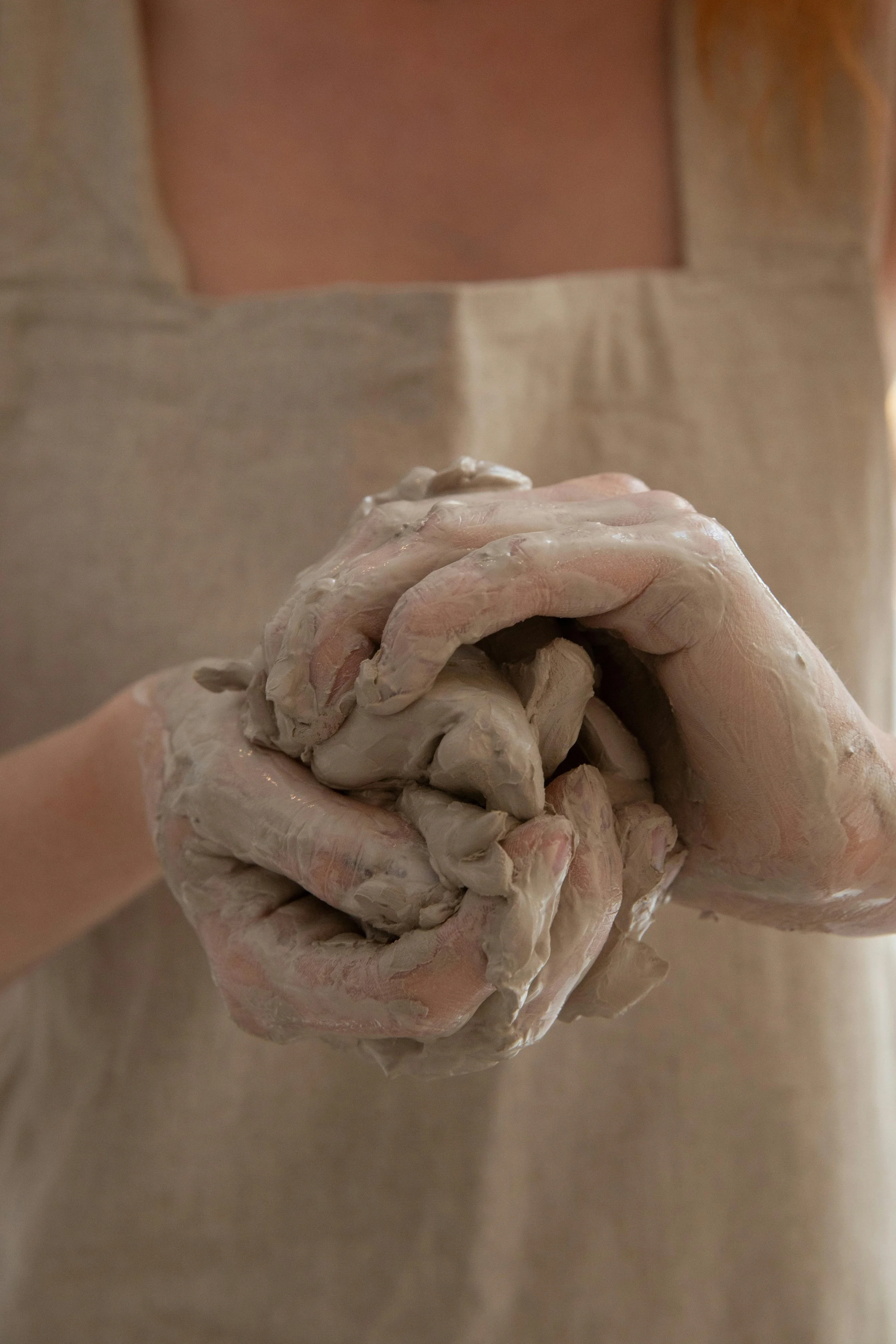
Talks & Workshops
Learn with a cohort of international creative practitioners at our online talks & workshops.
-
![A cozy, warmly lit table with a small potted plant, various teacups, and a lit candle.]()
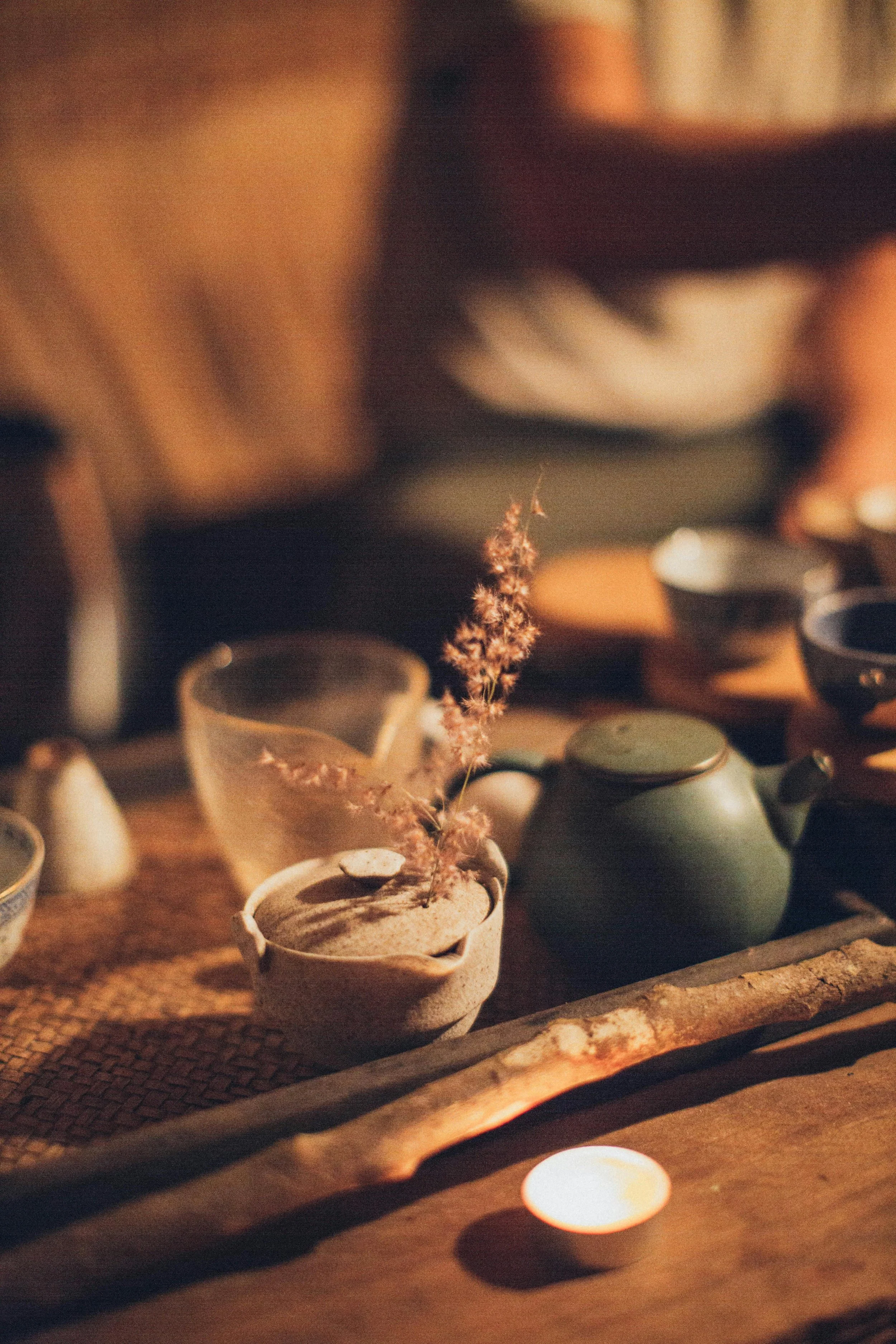
Land Art Membership
See what our creative community has to offer you.
-
![Close-up of green leafy plants, including large leaves and small flowering plants with pink, orange, and white flowers, behind a rusty wire fence and wooden stake.]()
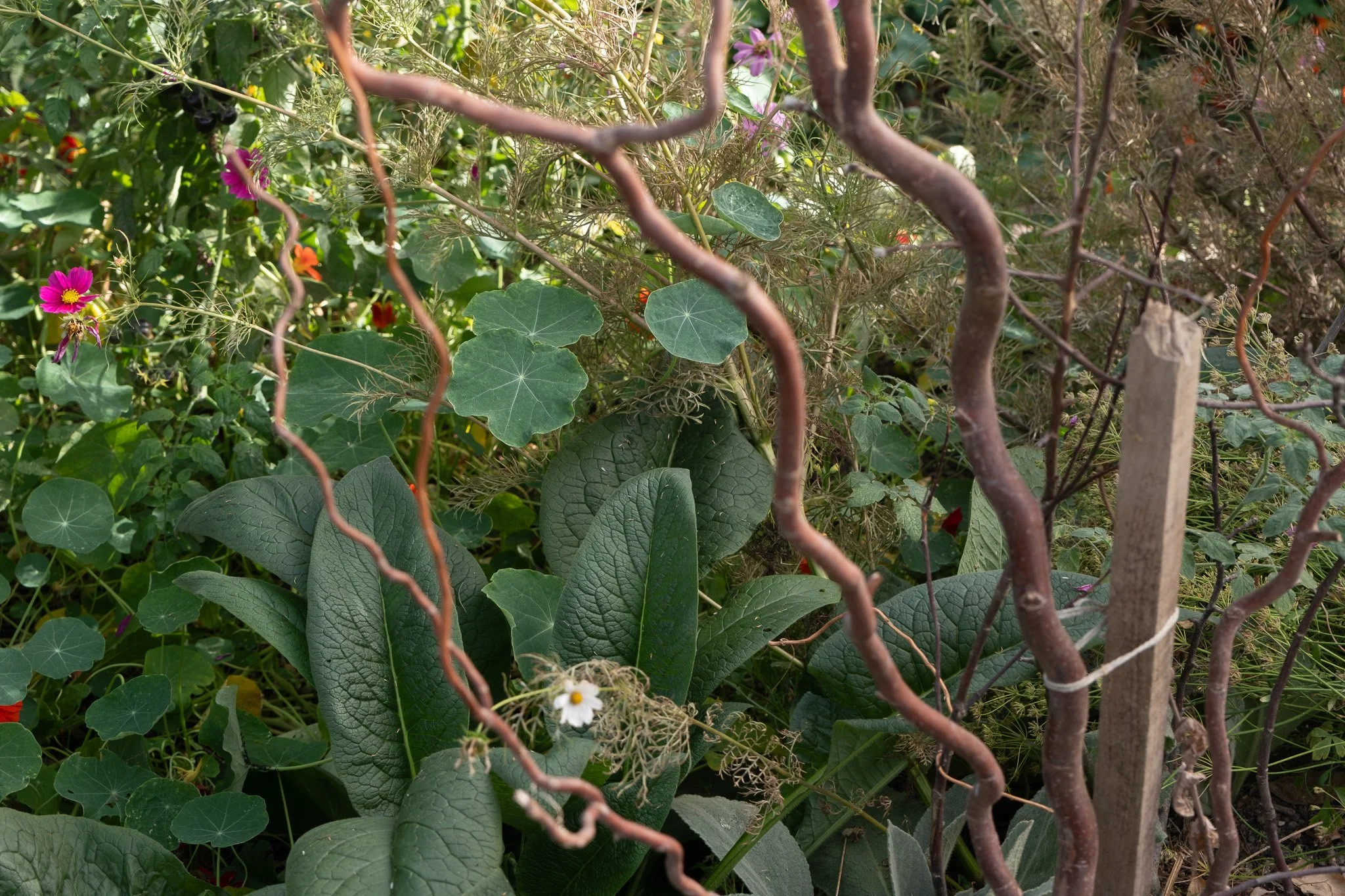
Lessons in Listening
Discover our online and in-person creative residency.
-
![Person holding a book titled 'SHINE ONLINE for Artists' with subtitle and author information on a neutral background.]()
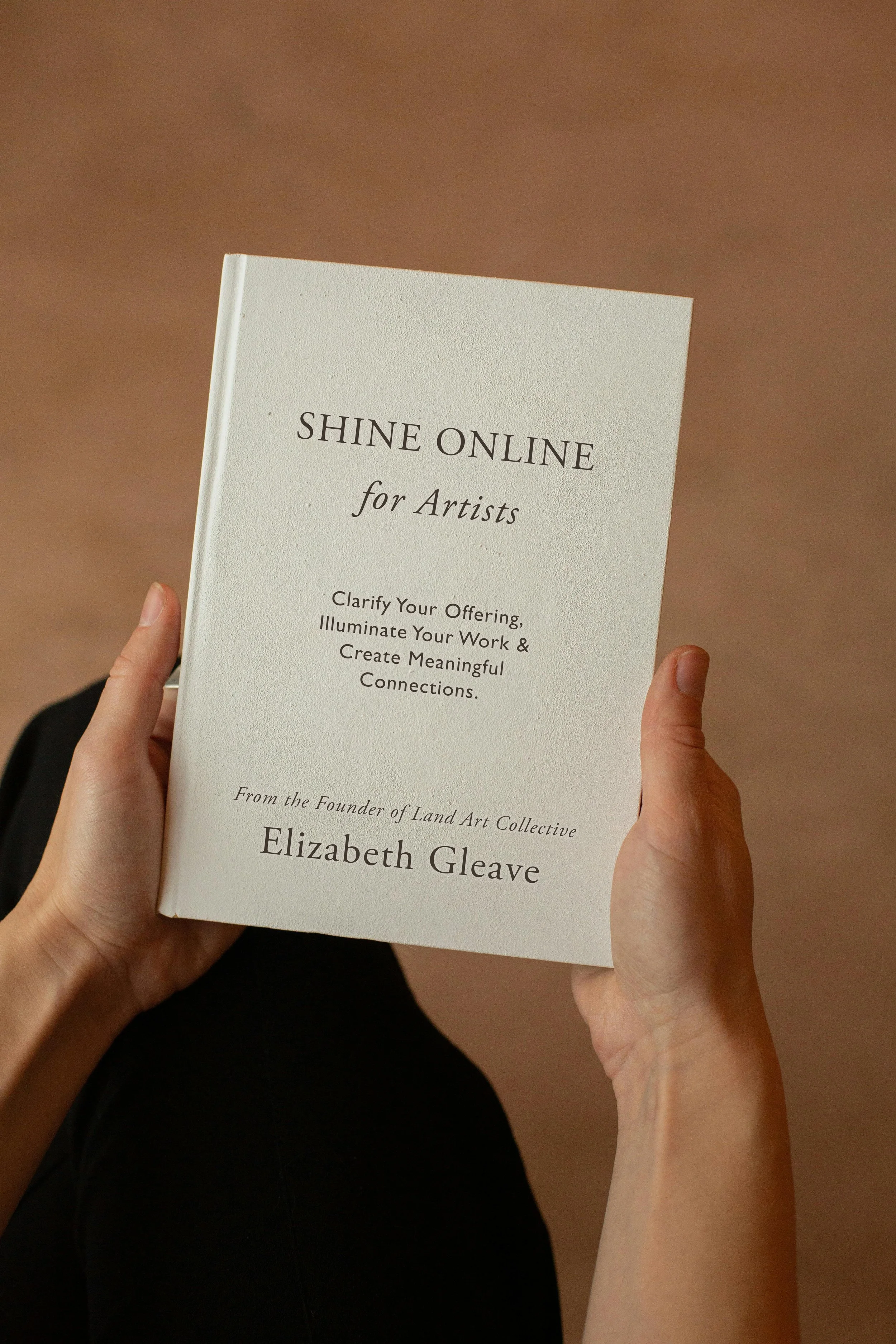
Shine Online
A Guide Book for Artists to align their practice and shine online! From Land Art Co-Founder Elizabeth Gleave.
The Evolving Role of Environmental Artists
Navigating Contemporary Ecological Art
From Land Art to Artivism in 2026
Environmental artists in 2026 are moving beyond traditional representation to embrace a practice of active collaboration with the living world. Whether participating in major exhibitions like "For All at Last Return" at the Baltic or "Gathering Ground" at Tate Modern, today’s creators are addressing the interconnectedness of climate and social justice. We support artists in navigating these complex themes, providing a space for dialogue that values curiosity and wonder. This evolution in practice reflects a shift from observing the landscape to becoming a participant in its restoration, ensuring your work acts as a catalyst for meaningful personal and social change.
The rise of "eco-artivism" highlights how artists for the environment are increasingly using their work to drive collective action. Events such as the KINDFIRE exhibition during London Climate Action Week 2026 demonstrate the power of combining art, science and technology to address environmental urgencies. Our collective helps you find your place within this movement, offering mentoring that bridges the gap between creative intuition and impactful advocacy. By exploring bio-art, living materials and carbon-neutral studio practices, you can ensure your work remains at the cutting edge of the ecological art movement while maintaining the highest standards of integrity.
Building a Sustainable Practice for the Future
Ethics and Materials in Ecological Art
Professional Development for Earth Stewards
A sustainable art practice is the foundation of any environmental artist’s career. We encourage our members to look toward restorative ways of making, using materials that honour the land rather than deplete it. This involves learning to work with the seasons, foraging responsibly and processing raw materials like earth pigments and botanical dyes. Our workshops, such as those focusing on soil chromatography, provide the technical skills needed to create work that is both aesthetically beautiful and ecologically responsible. By prioritising these ethical choices, you join a legacy of makers who view their art as a solution-focused contribution to the cosmos.
Professional development is essential for environmental artists who wish to sustain their career while staying true to their values. We offer artist coaching and structured feedback sessions to help you clarify your creative voice and reach the right audience. Whether you are seeking to participate in a 2026 environmental art exhibition or are developing your own land-based residency, our network provides the practical insight and support needed to thrive. We understand that an artist’s wellbeing is linked to the health of the community, and we provide the nutrients required for your practice to remain resilient in a rapidly changing cultural landscape.
Collective Participation and Global Impact
Connecting with the Environmental Art Network
Collaborative Survival and Shared Wisdom
The Land Art Collective is a global platform that brings together nature connectors from every biome. This international network allows for a rich cross-pollination of ideas, where environmental artists can share skills, opportunities and encouragement. Collaborative survival is a core principle of our community; we believe that significant change is possible when a determined group of people acts together. Through monthly sessions with recognised thinkers and makers, our members stay informed about the latest trends in art and ecology, from biophilic design to the integration of indigenous knowledge into contemporary creative practices.
Our community is rich with experience, offering a supportive container for cross-disciplinary work that expands the boundaries of traditional art. By connecting with researchers, designers and visionaries, environmental artists can explore new ways of communicating sustainability. This dialogue fosters a sense of belonging and helps to rekindle the wonder and possibility that are so vital for our shared existence. We invite you to contribute your unique voice to this movement, trusting that the work we do together today will shape a more beautiful and creatively inspired future for all beings of Land, Sea and Sky.
Frequently Asked Questions
-
An environmental artist focuses on the relationship between humanity and the natural world, often using their work to highlight ecological issues or foster a deeper connection to the environment. Their practice typically involves sustainable materials and methods that are restorative to the land. Within our collective, we support artists in exploring these themes through a wide variety of mediums, from photography and sculpture to socially engaged performance.
-
Several major exhibitions are taking place in 2026, including the Nancy Holt presentation at the Goodwood Art Foundation and various climate-focused shows in London and Newcastle. We regularly update our members on upcoming opportunities and environmental art exhibitions through our newsletter and community forums. Being part of the Land Art Collective is one of the best ways to stay informed about the evolving landscape of ecological art in the UK and internationally.
-
Yes, many artists are now striving for carbon-neutral practices by using solar-powered studios, sourcing materials locally and minimizing waste. We provide resources and guides, such as "Shine Online," to help you align your professional operations with your environmental values. Transitioning to a sustainable art practice is a journey, and our mentoring sessions are designed to help you make these changes in a way that is practical and meaningful for your specific work.
-
Absolutely. We have a strong interest in bio-art and the use of living materials like mycelium, algae and bacteria. These innovative mediums offer a way to create art that is not only sustainable but also biodegradable, returning to the earth as part of a natural cycle. Our workshops often explore these regenerative materials, providing the technical knowledge needed to work with them successfully while honouring their living essence.
-
Environmental artists contribute to social change by making complex ecological challenges tangible and personal. Their work can evoke empathy and inspire viewers to reflect on their own impact on the planet, often leading to increased awareness and community action. By collaborating with scientists and activists, artists for the environment can bridge the gap between information and emotion, acting as a powerful force for a more just and sustainable world.
-
Choosing to support or become an artist for the environment is a profound statement of love for the world we share. By engaging with restorative creative practices, you are helping to build a legacy of kindness and ecological awareness that will nourish your family for generations. This commitment to wonder and restoration ensures that the beauty of our Land, Sea and Sky remains a central part of our human story, providing your children with a more inspired and hopeful future rooted in a deep, creative connection to the living Earth.