Soil Solutions
A year long course to explore our relationship and communication with all that Soil sprouts.
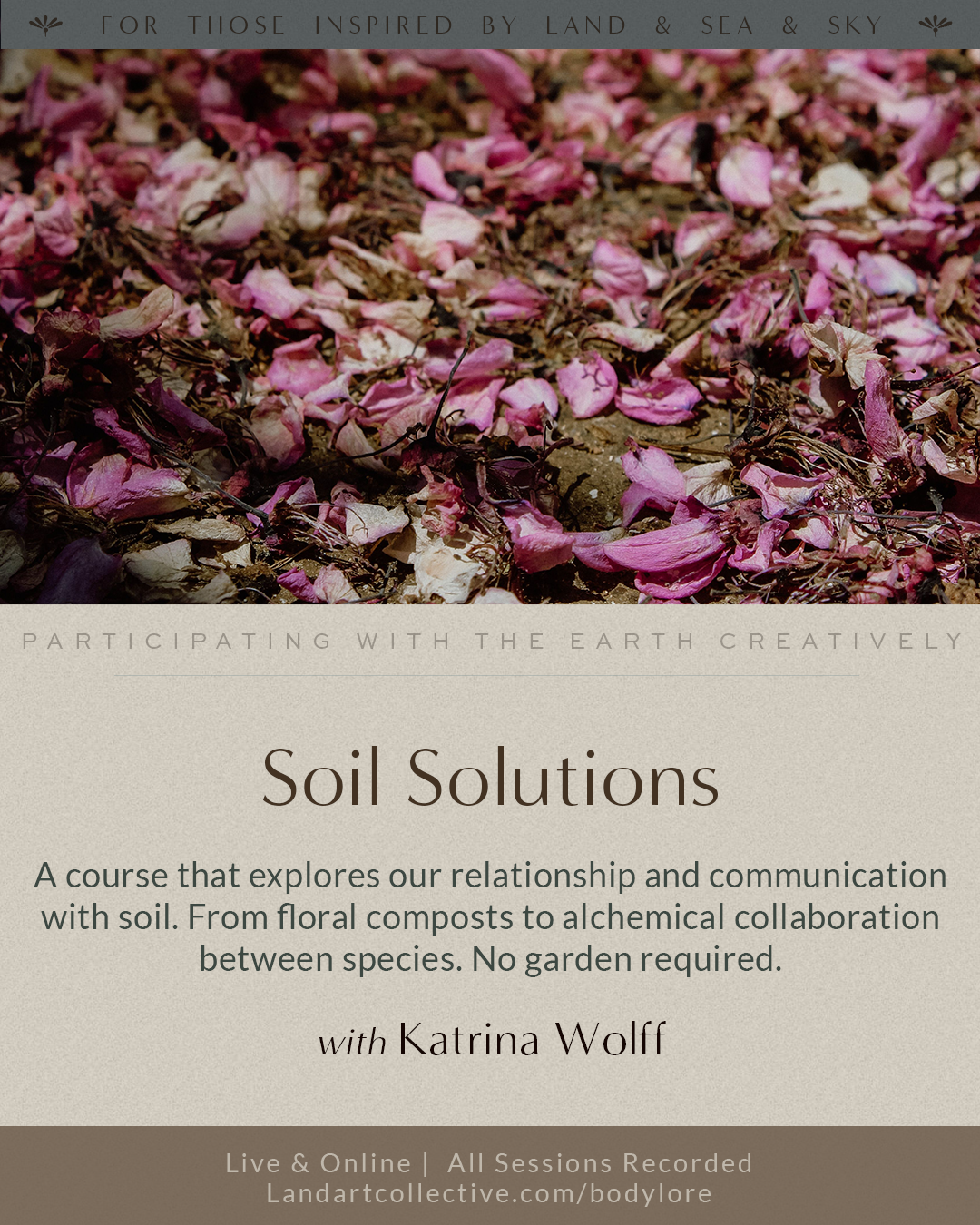
Hosted by Katrina Wolff, a biodynamic compost consultant and researcher based in rural New Zealand. Over six sessions, held every two months from October 2026, the course explores our relationship with soil and all it sustains: composting in small spaces, Maye Bruce's floral compost activator, seed sovereignty, weeds as allies and the uses of animal manure, closing with soil as kin and the rhythms of the biodynamic calendar. Each session combines practical research, group exploration and creative enquiry, and you don't need a garden to take part. All sessions are recorded.

- Session One 7 October 2026 · 8pm GMT
- Session Two 2 December 2026 · 8pm GMT
- Session Three 3 February 2027 · 8pm GMT
- Session Four 7 April 2027 · 8pm GMT
- Session Five 2 June 2027 · 8pm GMT
- Session Six 4 August 2027 · 8pm GMT
All sessions are recorded if you cannot attend live.
JOIN THE COURSE
Monthly Sessions hosted by
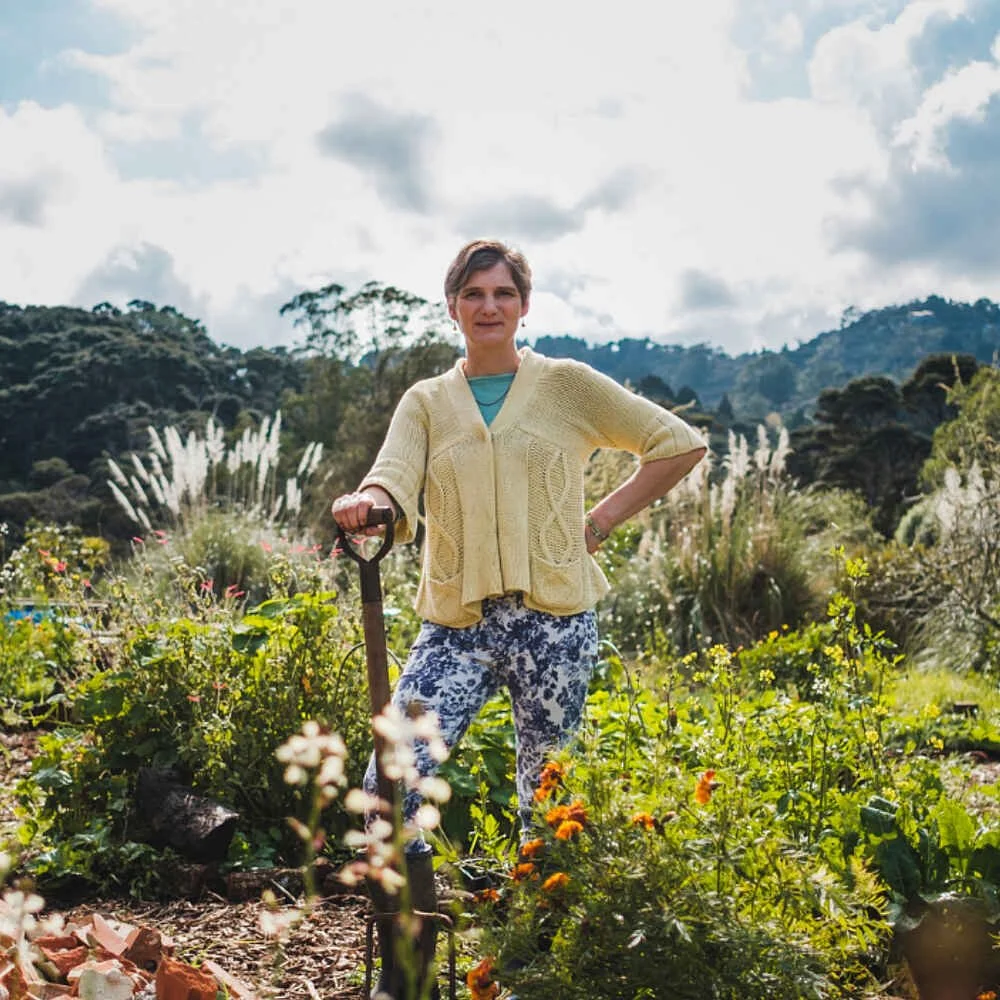
Katrina Wolff
Katrina is currently based in New Zealand in the tiny rural community of Whangarata (not far from Tuakau), and has been working as a biodynamic compost consultant and edible garden advisor since 2018. In the last couple of years her work started to pivot: first into Nature communication, then indigenous wisdom (Hua Parakore & Raranga studies), and she then spent 2025 immersed in researching the floral compost activator work of Maye Bruce (1879-1964).
-
The Floral Compost Activator project took her to the International Biodynamic Research Conference in the UK in September 2025. From that experience she then launched her own independent Research Centre, with citizen science projects exploring the nuances of biodynamic methods and quirky instructions from Nature - all at a home scale. (Wait till you hear what the snails told her!)
Katrina's work sits in the liminal space between sustainability, waste management, gardening, spirituality, crafts, food systems, activism and ecosystem harmonisation. She has gained recognition in the Sustainable Business space for disruptive innovation and transformational leadership, and was named one of New Zealand's top 50 women in food and drink for 2025. She is currently an advisory board member for DIRT Charity, where her focus is helping fibre farmers transition to biodynamic methods.
Other information: Katrina’s formal background is Musicology and Russian Linguistics and she spent her 20's teaching English in Russia, Canada and Japan while raising children bilingually. She then returned home to New Zealand in 2005, whereupon the Waldorf schooling chapter began, which is where she discovered anthroposophy, eurythmy, the Camphill movement and then biodynamics. She's now an empty nester, a grandmother, and devoted to soil health for this beautiful planet we all call home.
Series Themes
-
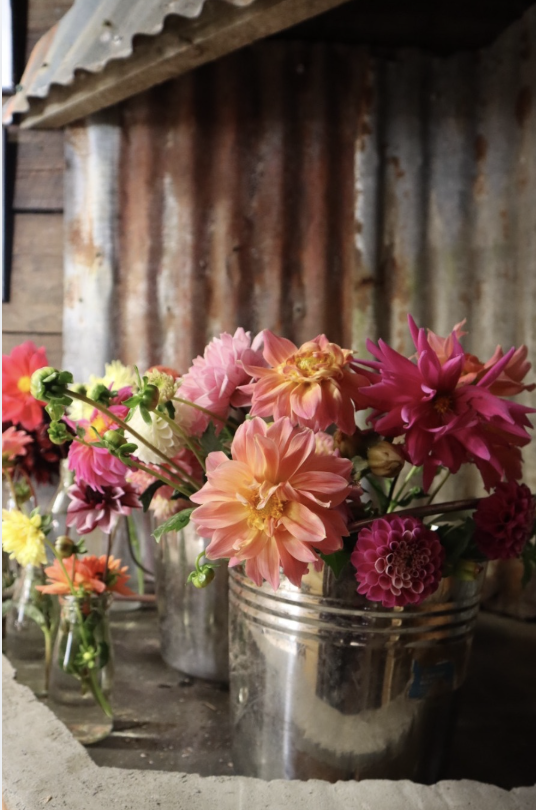
Composting in small spaces
Practical · Urban · Scalable
You do not need a garden to make soil. This session explores the quiet transformation of food scraps into living compost ~ even within the footprint of a studio flat. We look at small-scale systems that are as suited to a kitchen counter as to a boardroom corner: discreet, workable and quietly radical.
Many of these solutions scale beautifully. The principles that govern a worm bin on a balcony are the same ones that could transform how a café, school, or creative workspace thinks about its waste.
-
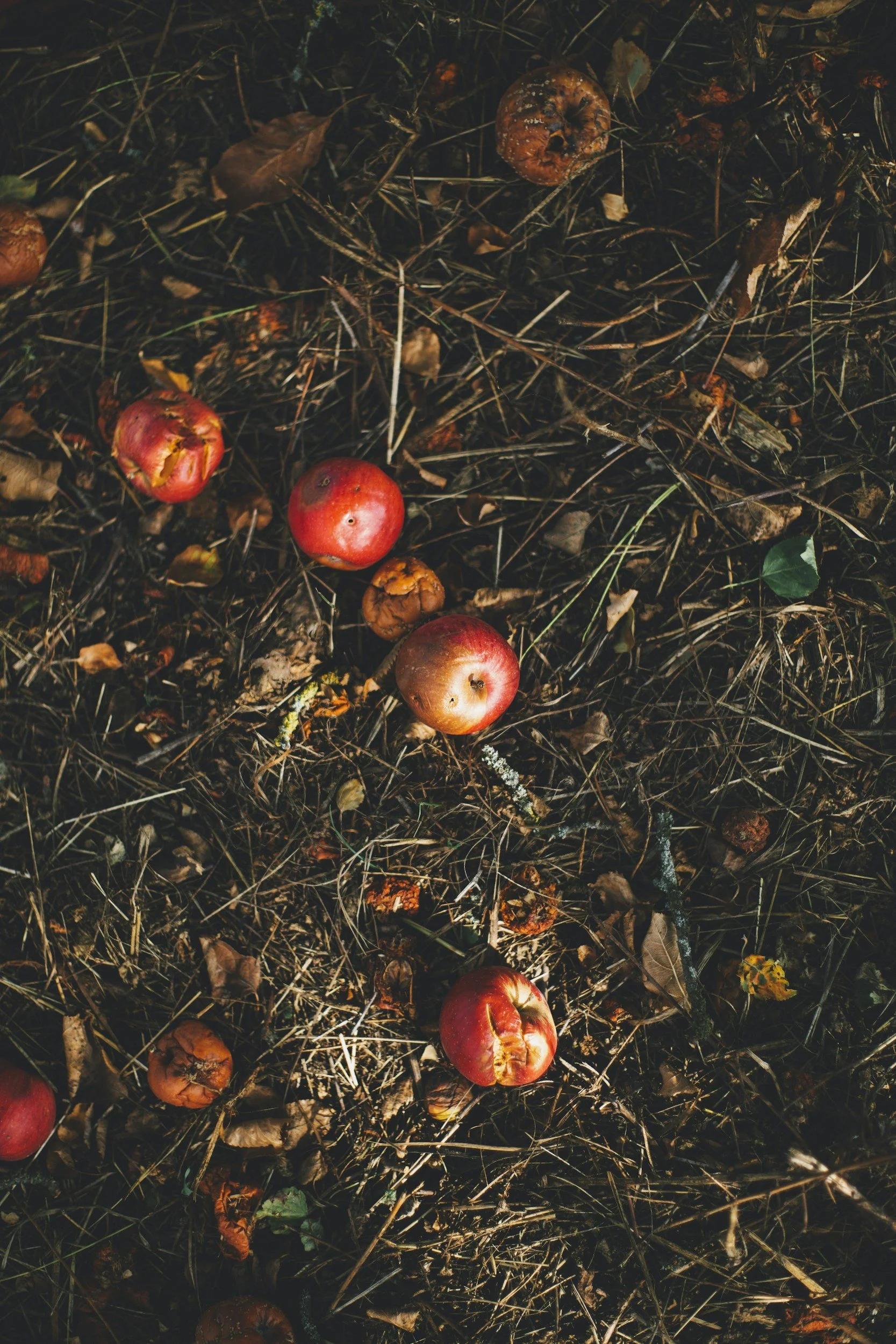
Flowers as composting allies
History · Research · Creative practice
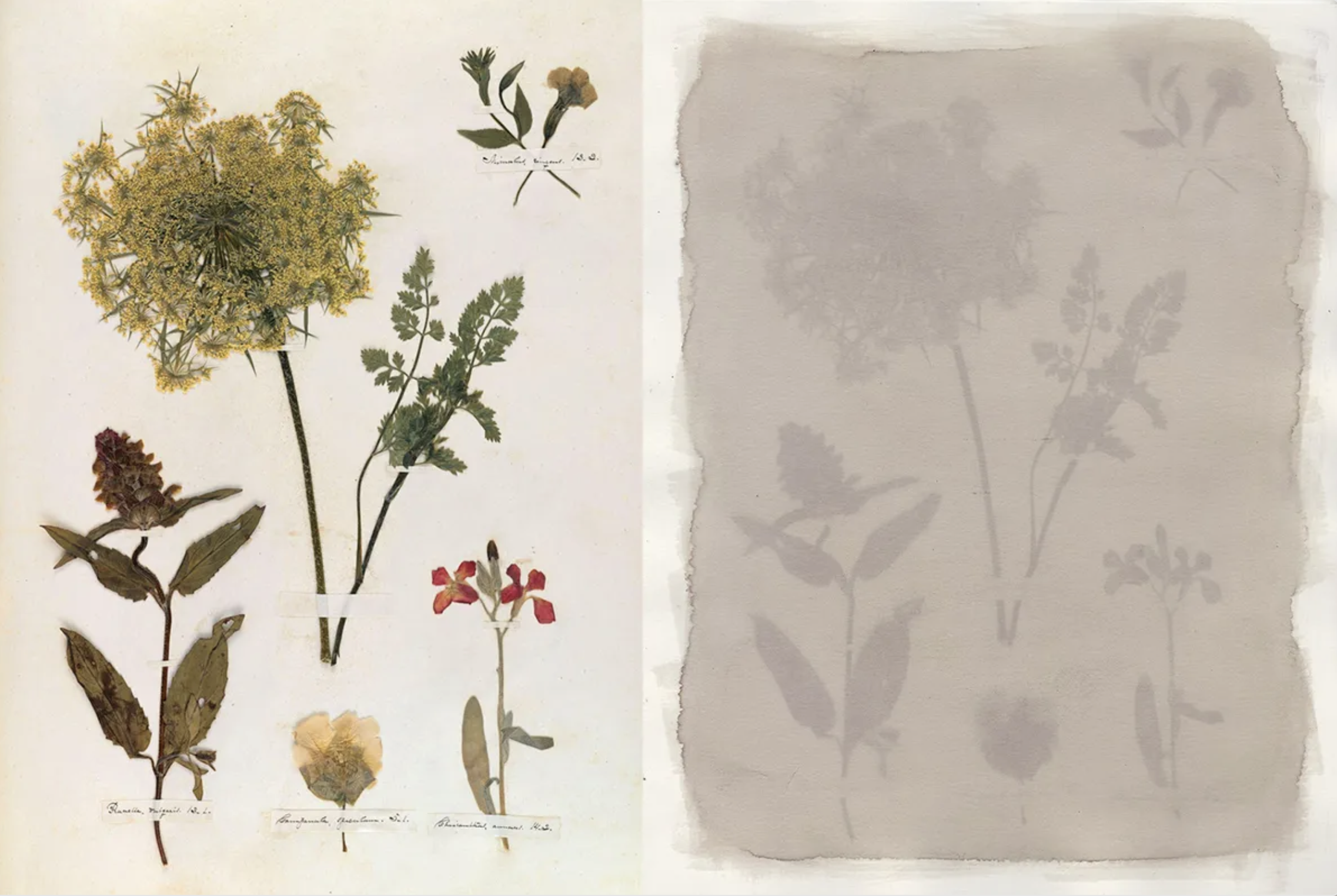
In the 1920s, a gardener named Maye Bruce began asking what plants already knew about decomposition. Her floral compost activator ~ a preparation made from living flowers ~ reframed composting as a form of alchemical collaboration between species.
This session dives into Bruce's life and legacy, drawing on current research to ask what her work might offer us now.
-
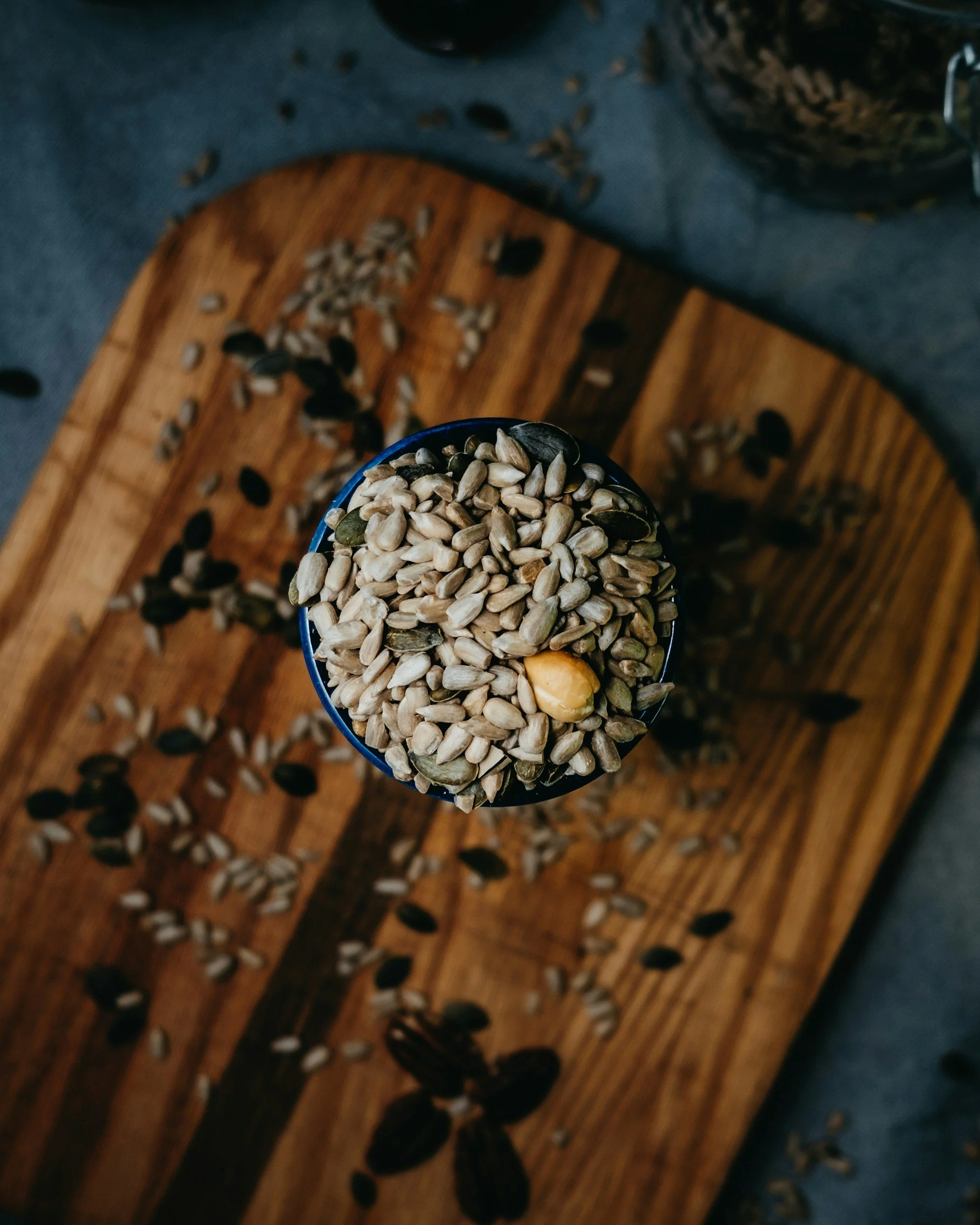
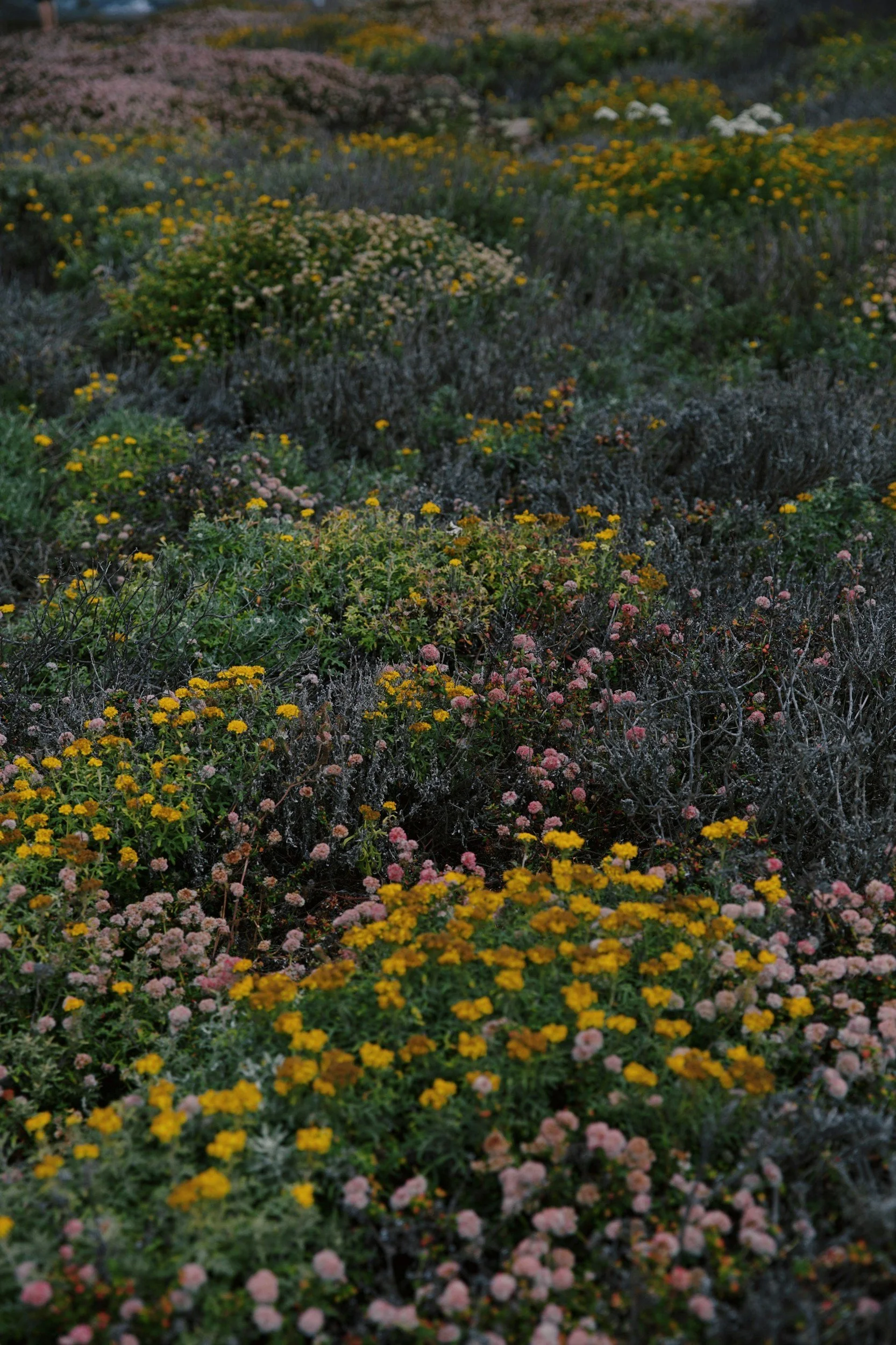
Seeds and food sovereignty
Ecology · Community · Agency
A seed is a form of memory ~ it carries within it the accumulated knowledge of a plant's relationship with a place, a climate and its people. Seed sovereignty is the movement to keep that knowledge alive and in community hands, rather than concentrated in corporate catalogues.
This session asks how those of us who are not farmers can still play a meaningful role.
-
Weeds as allies
Plants · Place · Perception
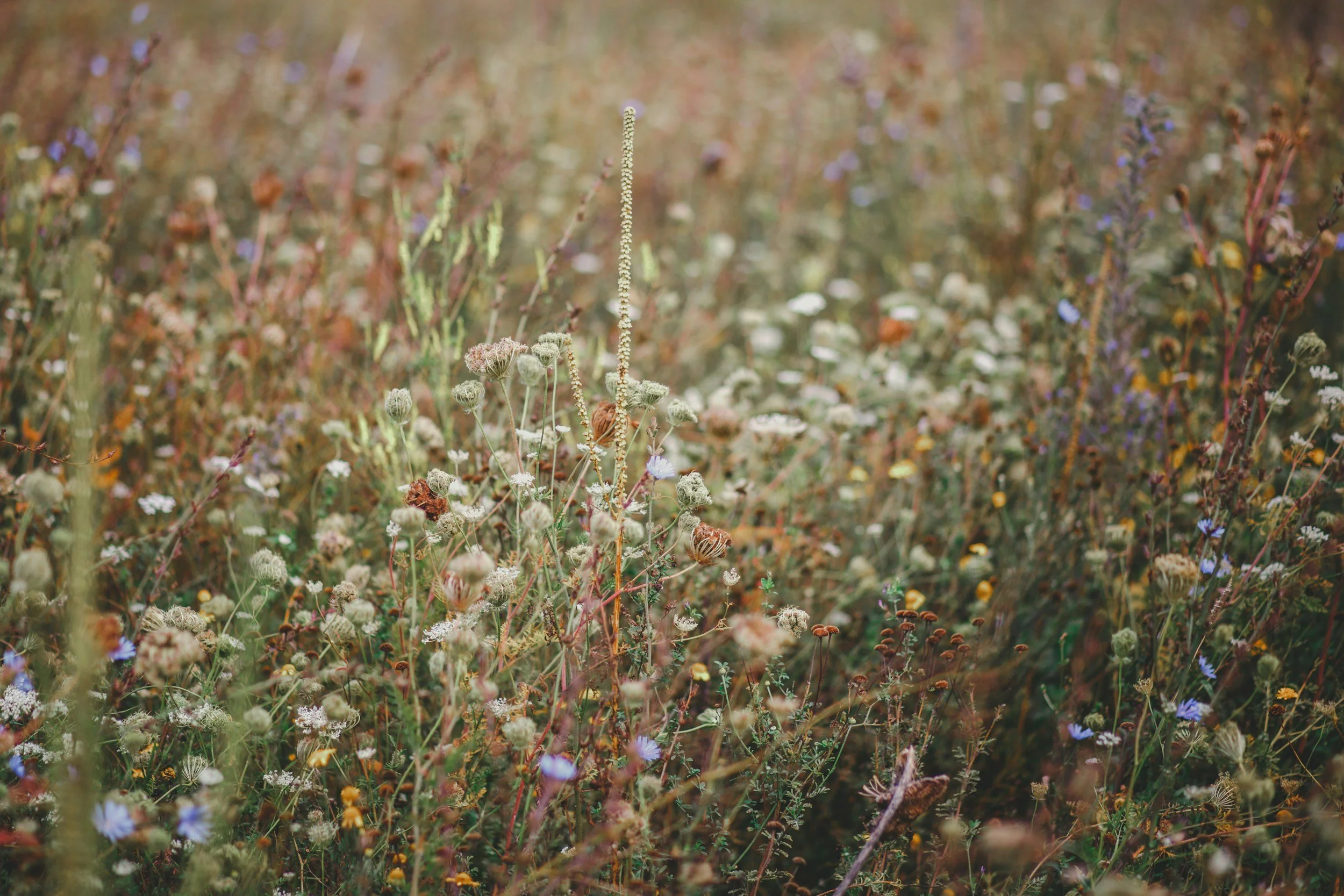
What we call a weed is often a plant doing exactly what plants do: finding a foothold, healing disturbed ground, feeding the insects we depend on. This series is an invitation to look again at the plants growing through the pavement cracks, along the fence lines and in the forgotten corners of our gardens and communities.
We take an artistic view of a handful of key species ~ how to work with them rather than against them ~ and explore what it might mean to restore a productive balance.
-
Miraculous animal manure
Animals · Soil health · Wonder
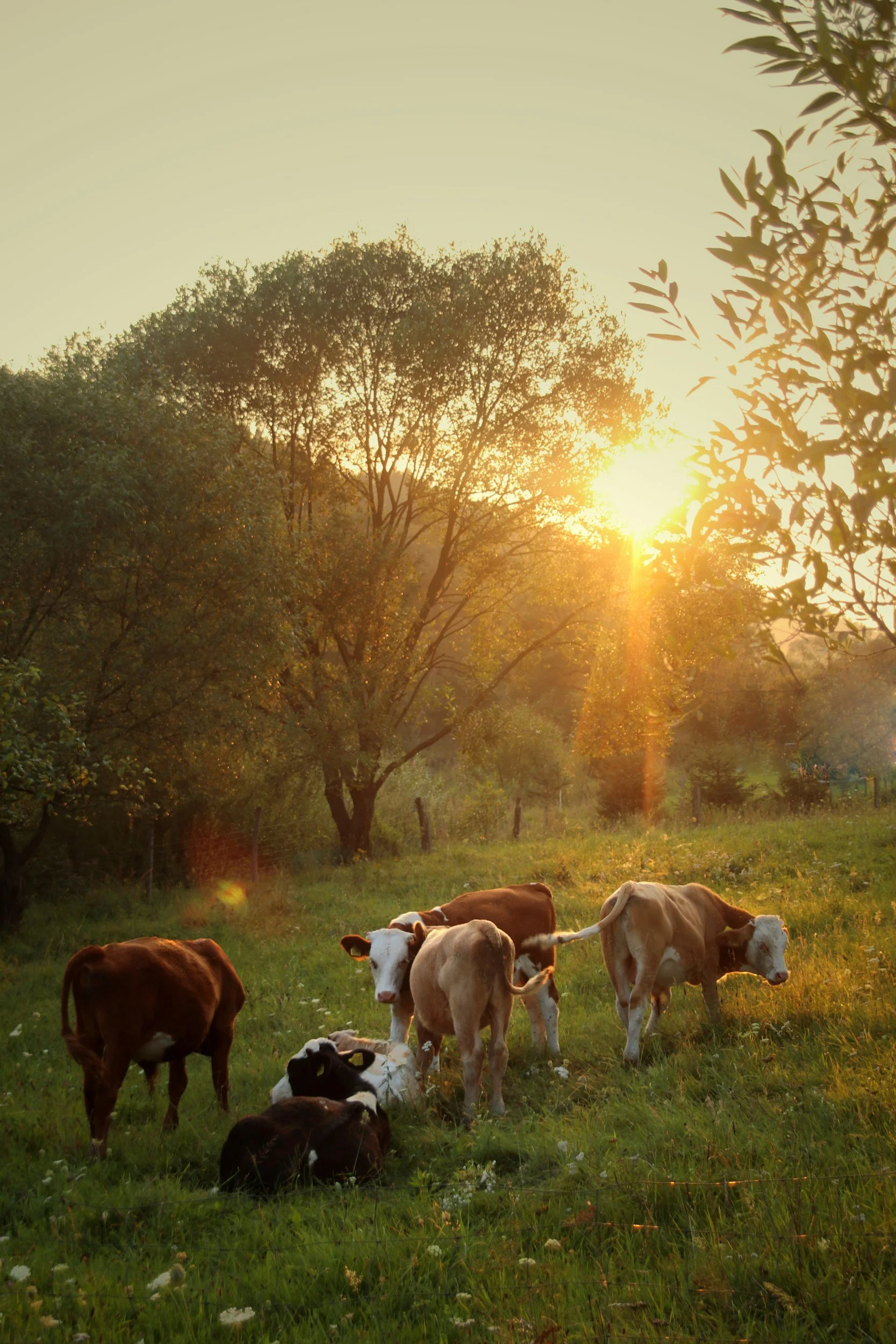
From the barn to the bird table to the garden wall, animal manure is one of the oldest and most generous gifts available to anyone tending soil.
Whether you have access to farmland or only a back step, there is something here that will shift how you think about the animals sharing your ecosystem.
-
Soil as kin
Kinship · Cosmos · Closing
The series explores a recognition that the ground beneath us is not a resource we stand on top of, but a living community we are part of.
We move into the wider web of connection that holds all of this: the moon calendar, the biodynamic tradition and the emerging conversations between cosmic cycles and the rhythms of the living world.
Any Questions
If you have any questions about the process, let us know and we will pass them on to your course leader.