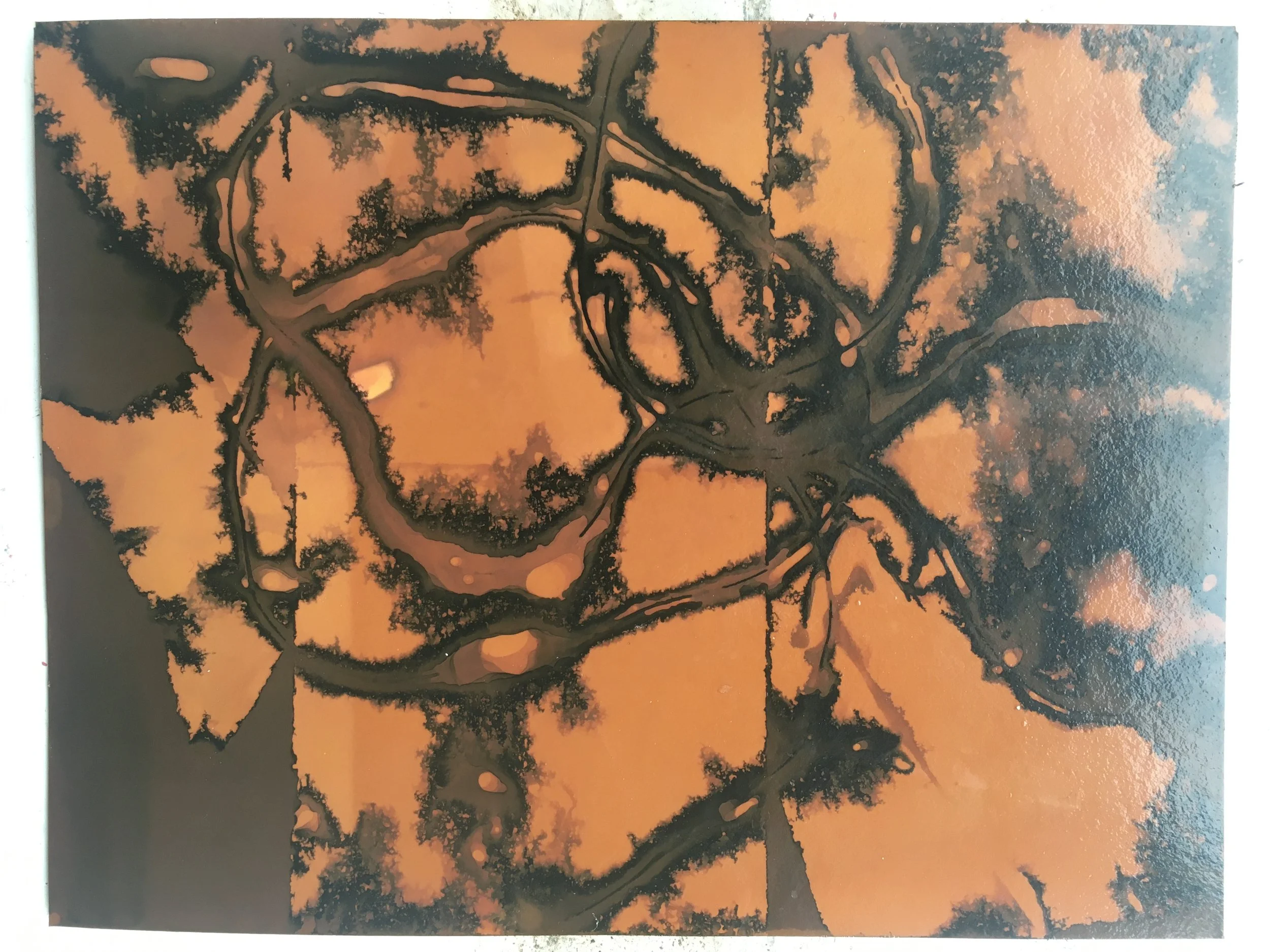
Food Waste Developer Chemigrams
with Hannah Fletcher
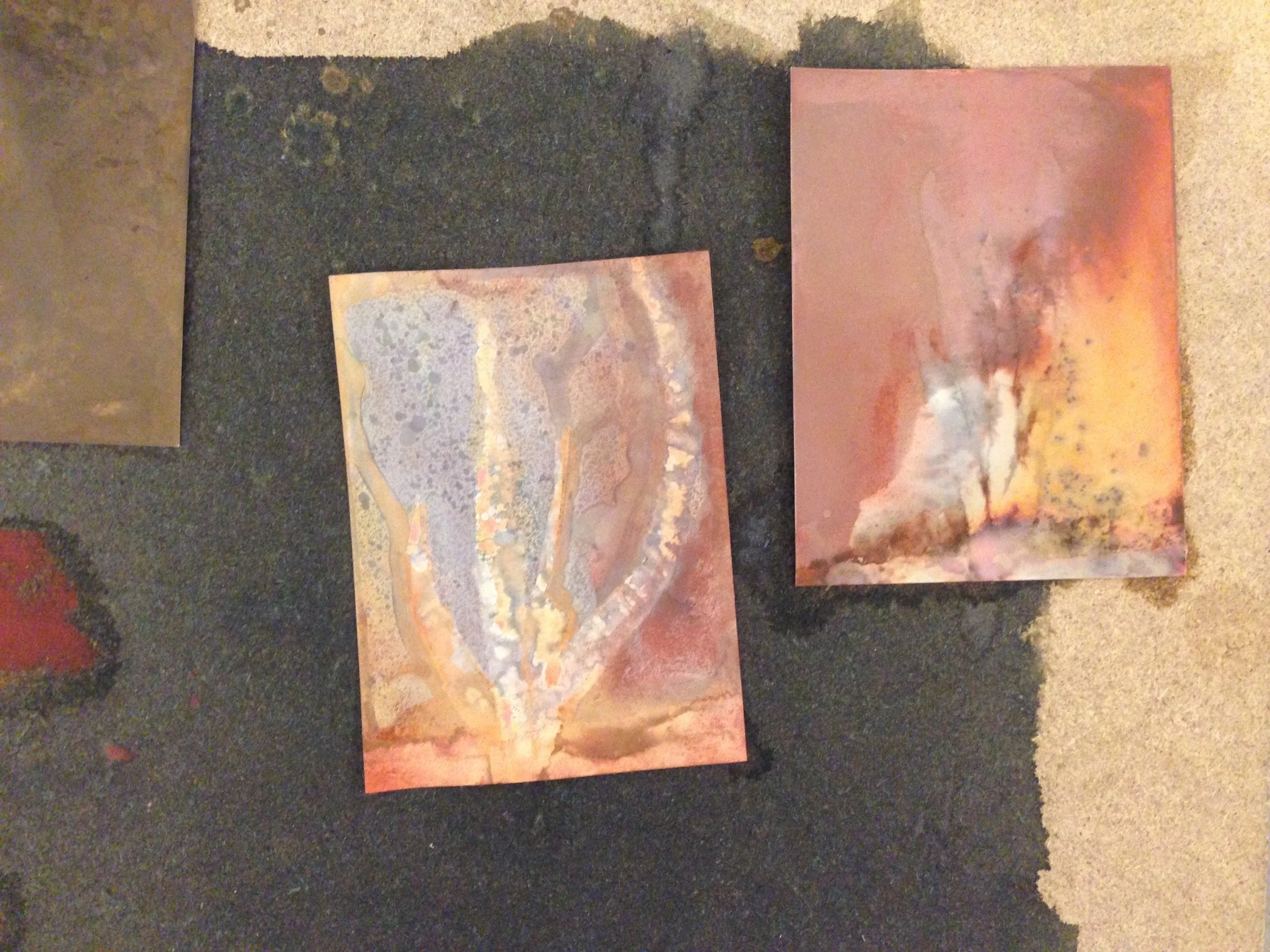
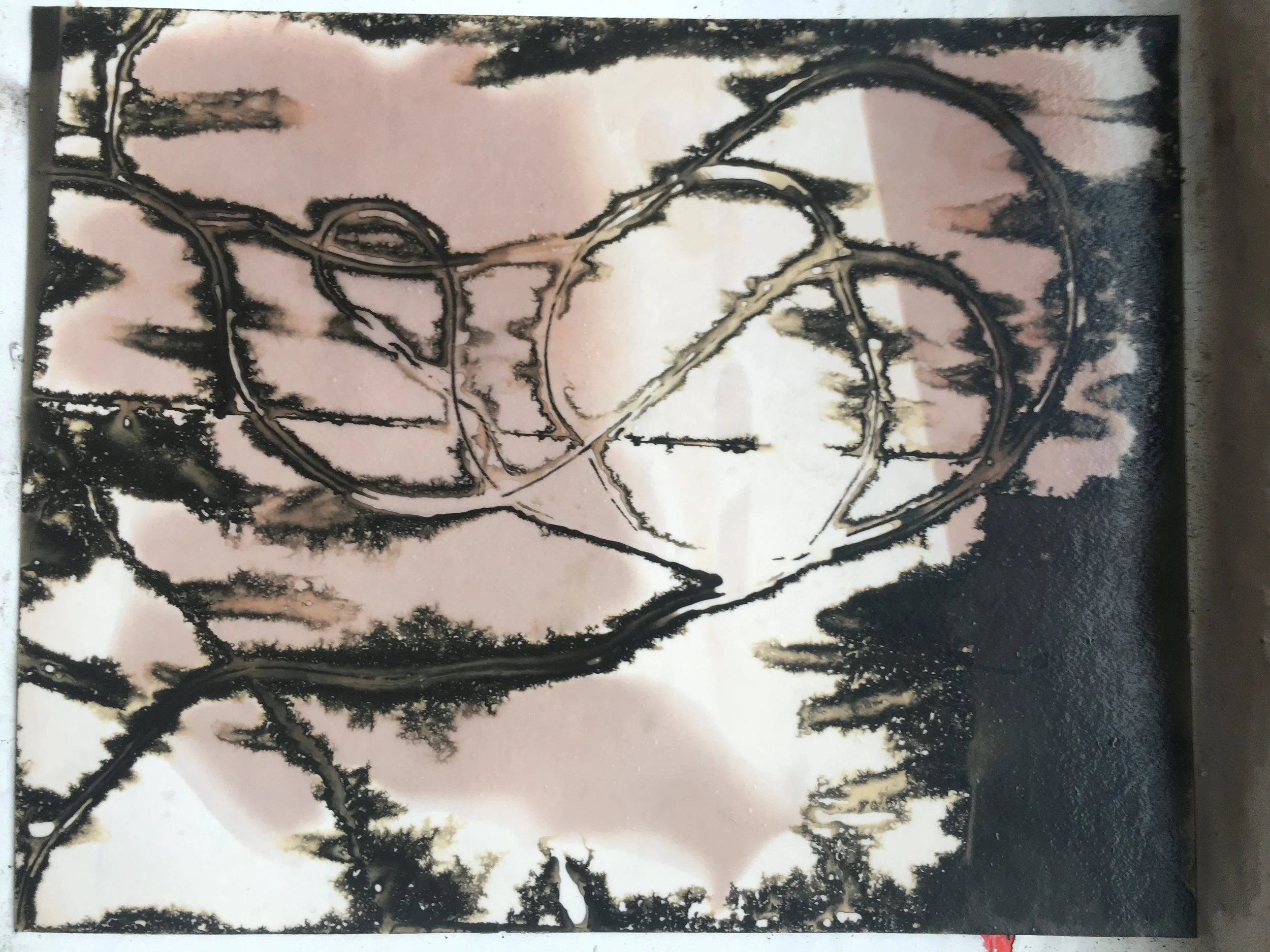
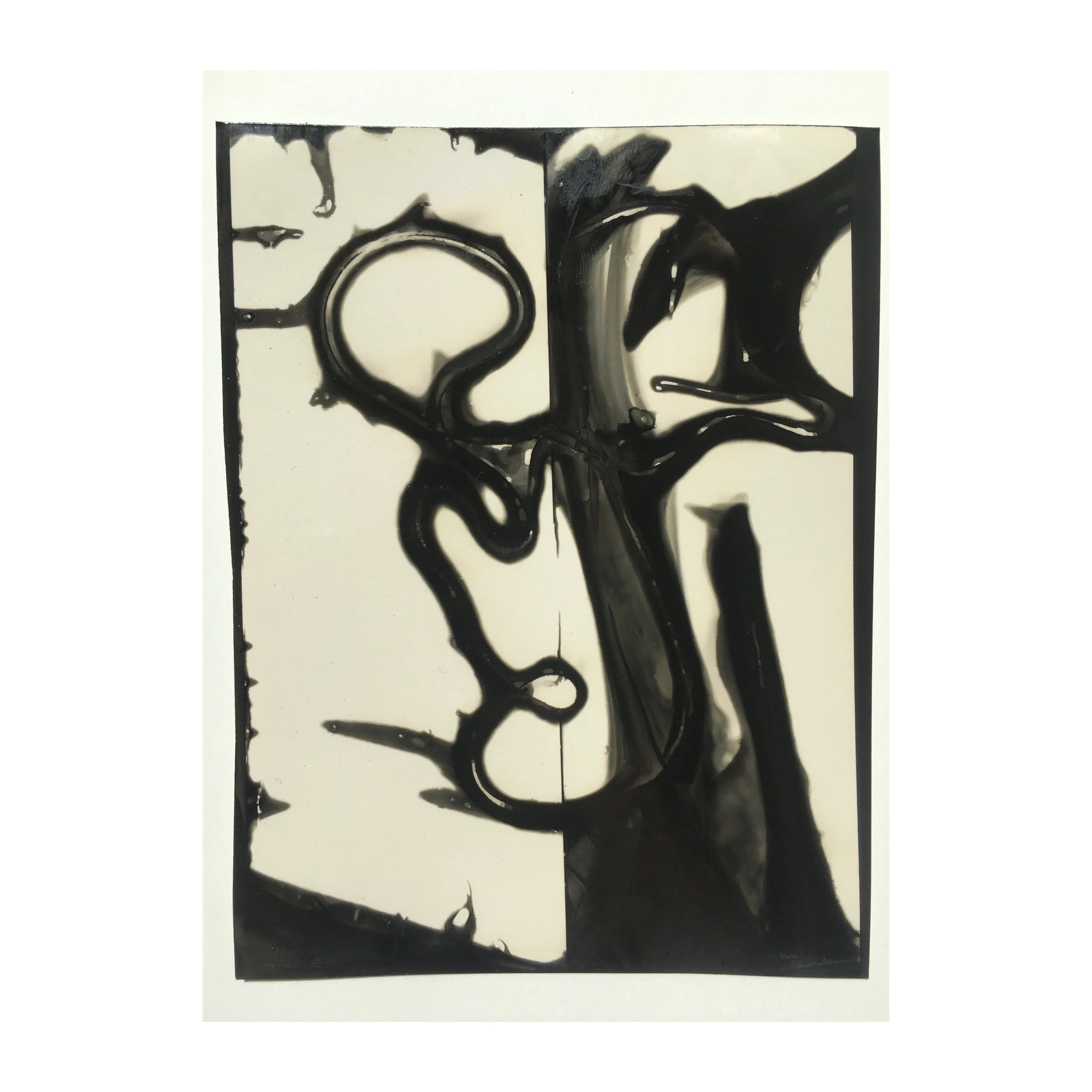
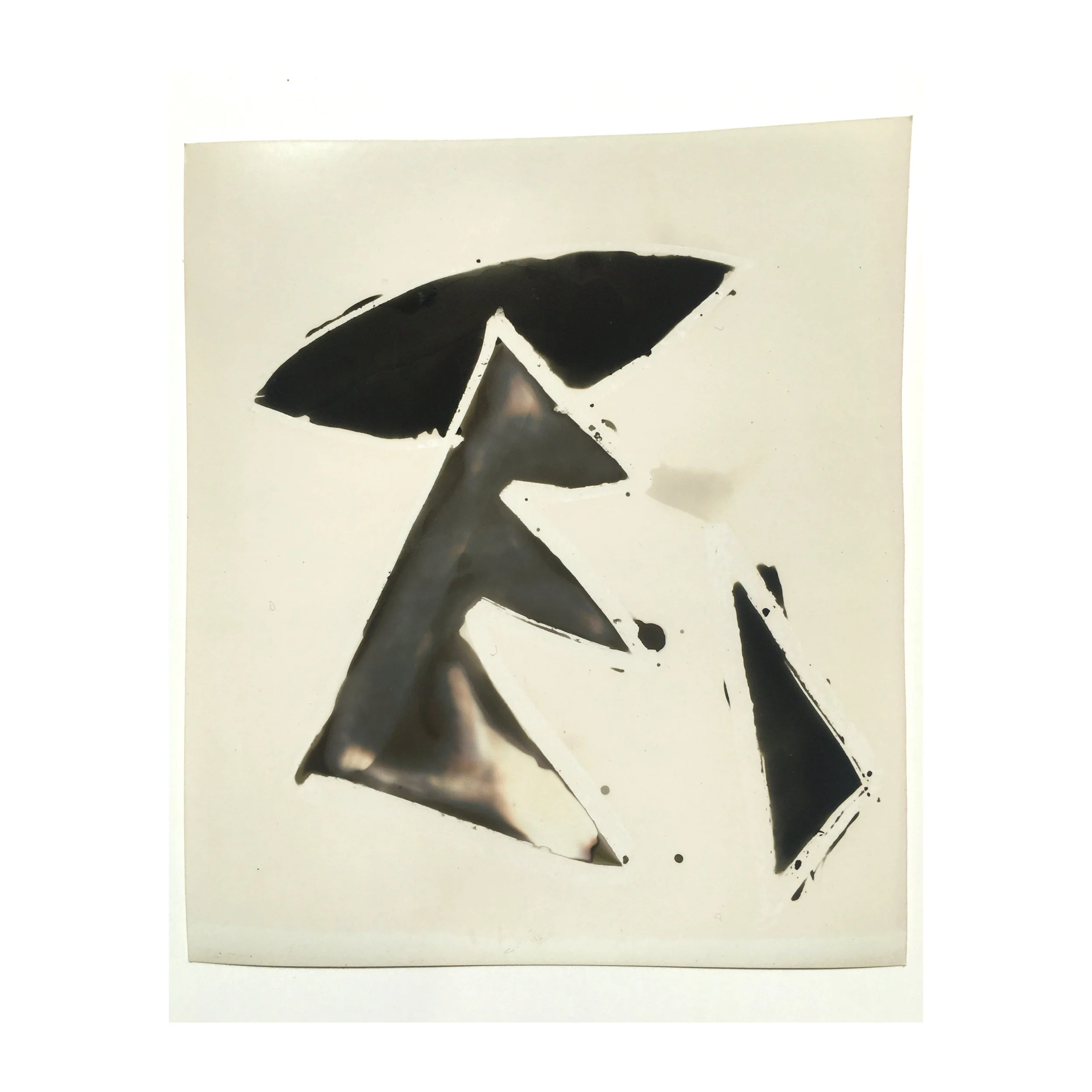
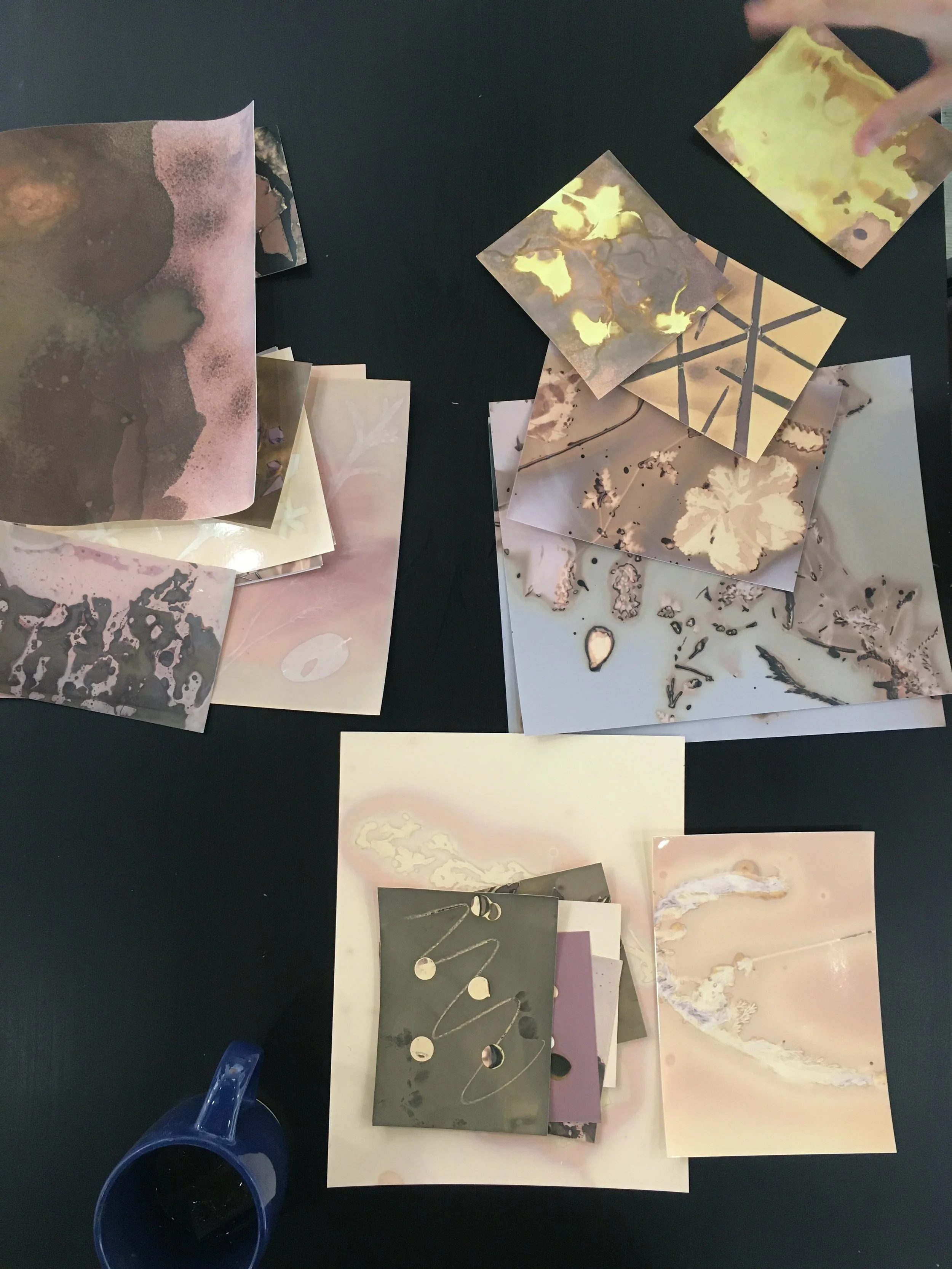
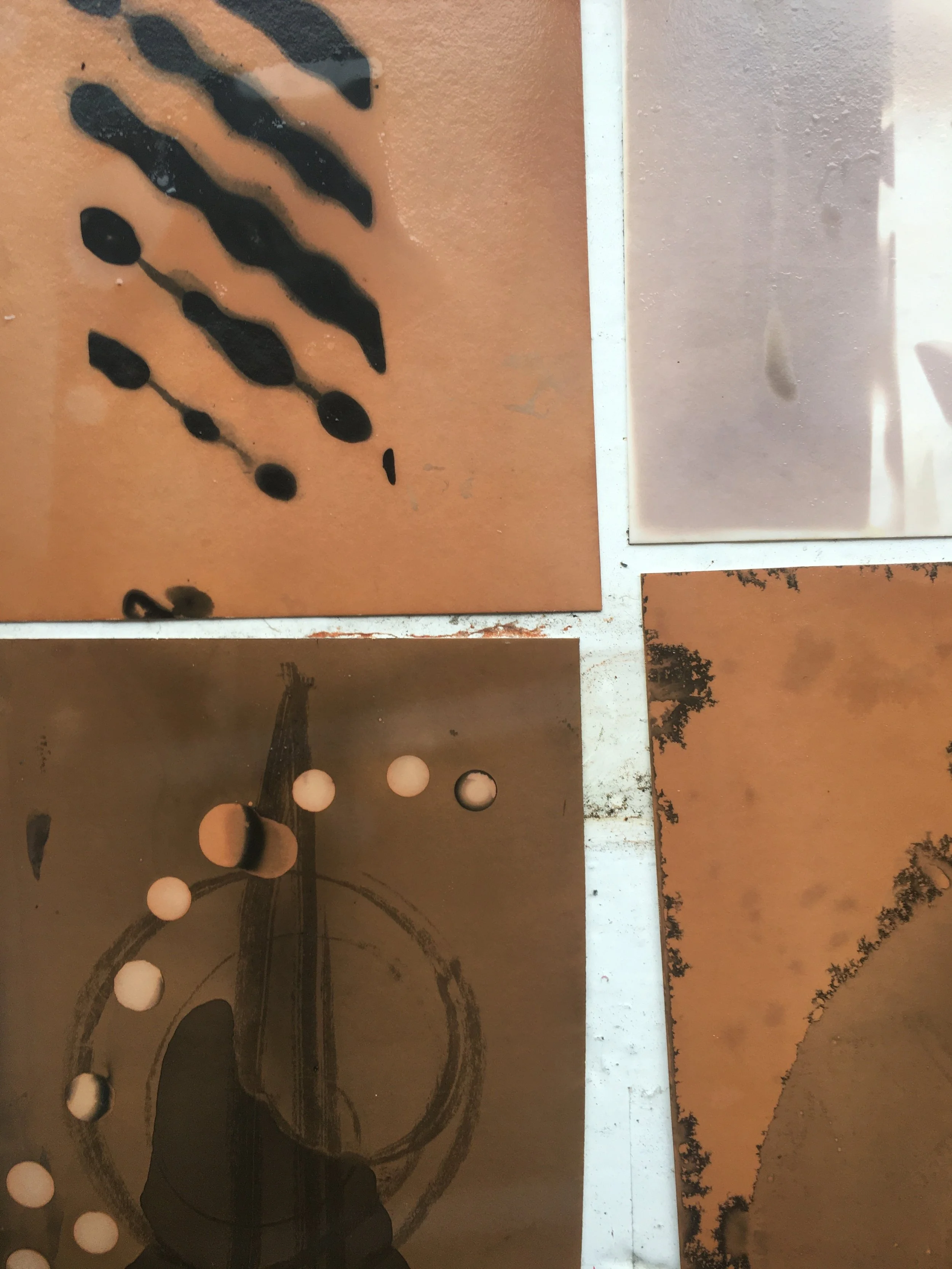
In this workshop you will learn how to make your own photographic developer with food scraps from your compost bin. Using this home-made chemistry, we will explore the possibilities of the photographic surface and its materiality. Working with a variety of resists to produce a range of camera-less shapes, textures and images, on the surface of silver gelatine paper. This is a cameraless photographic technique that is great for bringing to life fogged, out of date or discarded silver gelatine photographic paper.
All live sessions are recorded and made available for a week following the course. This also includes times for any feedback questions.
Joining Details

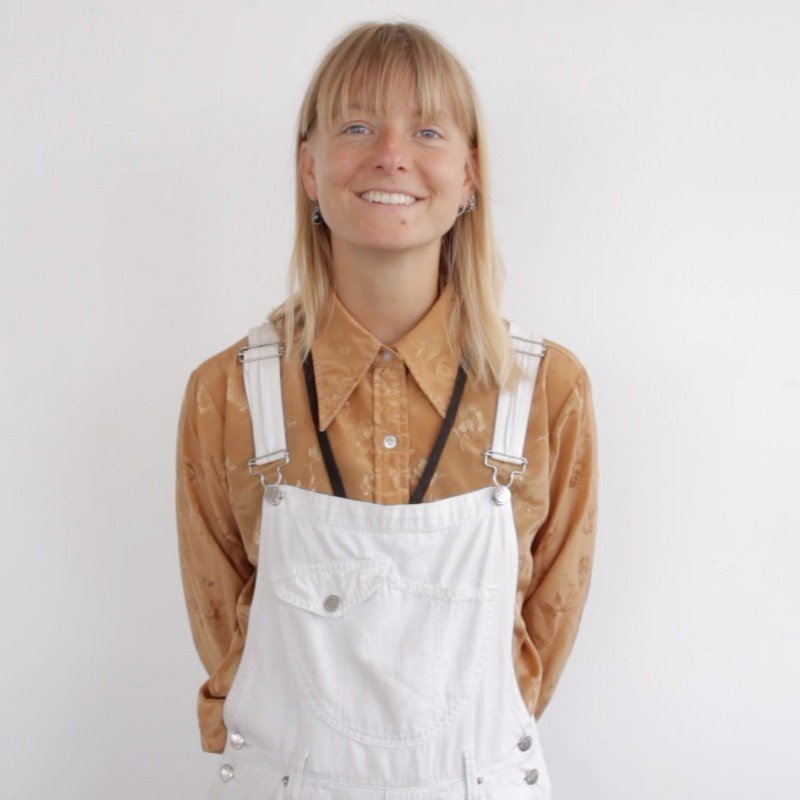
Hannah Fletcher is an artist, working with cameraless photographic processes, founder of The Sustainable Darkroom, Co-director of London Alternative Photography Collective and a facilitator of sustainability within the arts.
Hannah works with and researches the many intricate relationships between photographic and not-so photographic materials. Intertwining organic matter such as soils, algae, mushrooms and roots into photographic mediums and surfaces. Fletcher questions the life cycle and value of materials by incorporating waste from her studio and workshops back into the system of making. Working in an investigative, ritualistic and environmentally conscious manner, she combines scientific techniques with photographic processes, creating dialogue and fusions between the poetic and political.
Learn & Prepare
Learn
The workshop will cover:
Equipment
Our Workshop Feedback

